All Categories
Featured

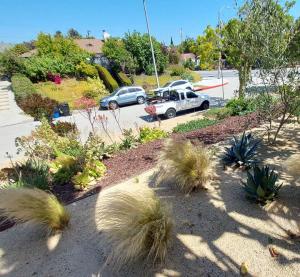
Adopting Drought-Resistant Landscaping in Orange County
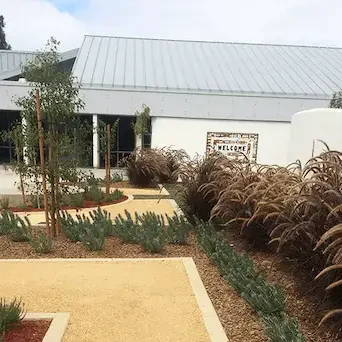
Comprehensive water recycling, with 70-80% percent of stormwater runoff from around the site infiltrated natural wetlands and mechanical systems, and then utilized to water the surrounding parkland. 4,609,504 gallons of rainwater captured each year. Annual carbon emissions reduction due to planting area of about 240,000 pounds of CO2 sequestered by trees on site 16.65 acres of overall planting area (5.4 acres at SoFi Stadium, 2.75 acres at Lake Park, and 7 acres of streetscape planting, to name a few 6-plus miles of new routes and courses (4.17 miles of improved direct streetscape including sidewalks, 1.89 miles of new multi-use trails, and about 2,300 direct feet of new Class II on-street bikeways) More details in the full press release listed below: a near 300-acre sports and entertainment location being established by dealt with a landscape architecture and urban style studio, to create civic and environmentally mindful landscape solutions across three crucial locations: water capture and reuse, the utilization of 100 percent Southern California-native plant types, and the continued advancement of public parks for year-round usage.
Landscape Maintenance Services
Motivated by the initial water feature that was part of the former Hollywood Park racetrack, Lake Park includes an upper and lower lake separated by cascading waterfalls. At around 6 acres and 16 million gallons of water, the lake is surrounded by an additional 6 acres of parkland. The lake functions as a water recycling system by collecting 70-80 percent of stormwater overflow from around the site, filtering it through natural wetlands and mechanical systems, and then utilizing it to water the surrounding parkland.

Latest Posts

The Evolution of Commercial Landscaping Through ESG

Top Tips for ESG Compliance in California Landscapes

Implementing Drought-Resistant Landscaping in Los Angeles